Zum Hauptinhalt springen

Material Encyclopedia

Understanding the physics of your blade. How different woods and composites interact to create speed, dwell, and feeling.

Natural Woods

The soul of the blade. Natural veneers define the fundamental vibration frequency and touch.

Limba

Wood
Origin West Africa
Botanical SpeciesTerminalia superba
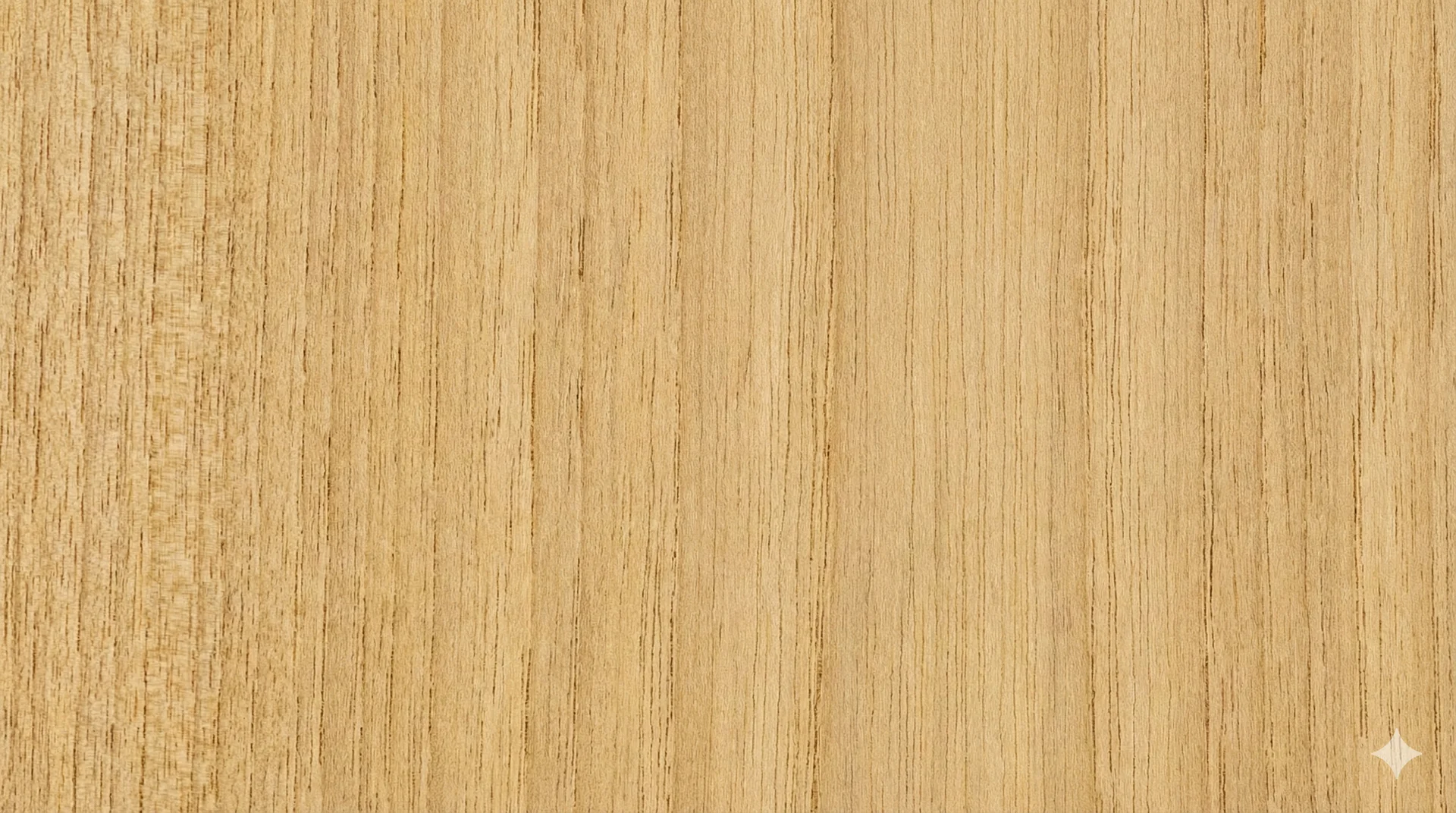
Texture of Limba

A classic, moderately soft wood found in the majority of European looping blades. It has an open grain structure that allows for slight compression upon impact.

LimbaLimba outerLimba-Ayous stacks

Performance Profile

The King of Spin. Limba is prized for its acoustic feedback and 'dwell time.' It holds the ball momentarily, allowing the player to impart heavy topspin before the rebound.

Face / OuterSpin Generator

Its soft surface compresses slightly, increasing contact time (dwell) to maximize rotation on loops.

Medial / IntermediateAcoustic Bridge

When used under a hard outer ply, it dampens high-pitch vibrations, providing a clearer "wood feel" to the hand.

Famous Reference Blades
Innerforce Layer ALCButterfly
Primorac Off-Butterfly
Innerforce-Style Composition
Querschnittsansicht
Ayous
LimbaDeckfurnier
Soft Dwell

Soft Limba compresses slightly on brush contact, lengthening dwell and making heavy topspin easier to load.

LimbaSperrfurnier
Soft Dwell

Under a harder face, Limba softens the vibration path and keeps the blade from feeling too glassy or abrupt.

ALCComposite
Damping

Arylate-Carbon balances carbon speed with polymer damping, giving a large sweet spot and less harsh vibration than pure carbon. In an inner position next to the core, it keeps soft shots woodier and engages more on full swings.

AyousKern
Elastic

Ayous makes a flexible, lively core. It bends more than Kiri, helping loop power from mid-distance while reducing absolute precision.
Koto

Wood
Origin West Africa
Botanical SpeciesPterygota macrocarpa
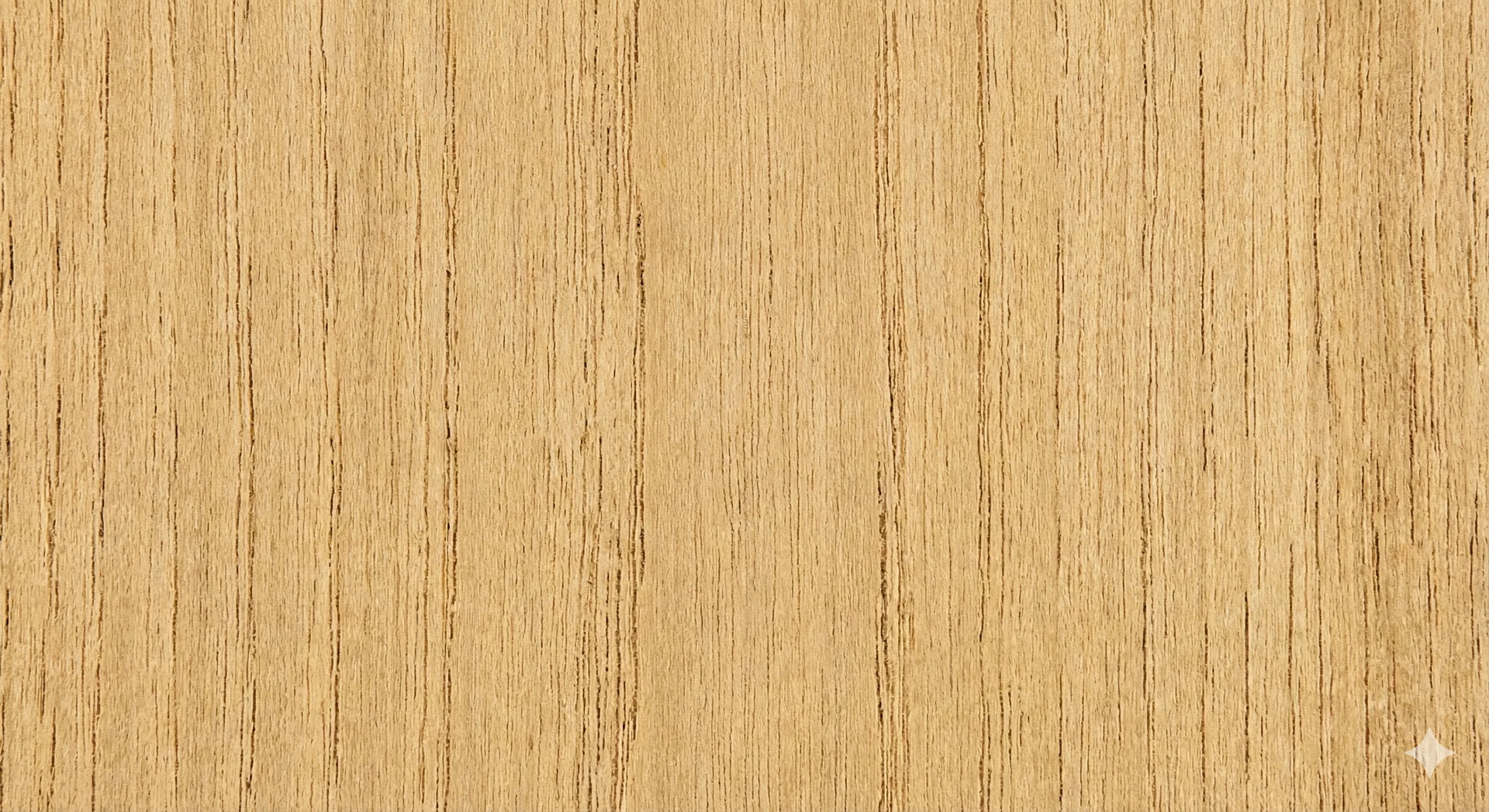
Texture of Koto

A harder, stiffer wood often used as a face ply in modern offensive blades. The grain is tighter and more dense than Limba.

KotoKoto surfaceLima

Performance Profile

Crisp and Direct. Koto reduces dwell time, providing an immediate energy transfer. It is ideal for the modern 'counter-looping' game close to the table.

Face / OuterEnergy Reflector

Creates a hard surface that rebounds the ball instantly. Essential for precise blocking and counter-driving.

Famous Reference Blades
ViscariaButterfly
Fan Zhendong ALCButterfly
Outer-Carbon Composition
Querschnittsansicht
Kiri
KotoDeckfurnier
Crisp Hard

Koto gives a hard, compact first contact. It shortens dwell, sharpens blocks, and makes counter-drives leave the racket quickly.

ALCComposite
Damping

Arylate-Carbon balances carbon speed with polymer damping, giving a large sweet spot and less harsh vibration than pure carbon. Close to the face, it activates early and makes blocks and counters more immediate.

LimbaSperrfurnier
Soft Dwell

Under a harder face, Limba softens the vibration path and keeps the blade from feeling too glassy or abrupt.

KiriKern
Stiff Core

Kiri is a lightweight chassis. Its stiffness-to-weight ratio supports carbon layers and keeps thick composite blades manageable.

Hinoki

Wood
Origin Japan (Kiso Valley)
Botanical SpeciesChamaecyparis obtusa

A premium Cypress wood, often harvested from trees hundreds of years old. It has a distinctive lemon scent and a beautiful, straight vertical grain.

HinokiKiso HinokiCypress

Performance Profile

Soft touch, high catapult. Hinoki is unique because it feels incredibly soft on slow touches (absorbs energy) but acts like a trampoline on high-impact drives.

Face / OuterCatapult Launchpad

The vertical grain structure acts like a series of tiny springs, storing energy on impact and releasing it explosively.

Core / CenterSolid Soul

In 1-ply blades, a thick Hinoki core provides a unique "buttery" feel that carbon cannot replicate.

Famous Reference Blades
Cypress G-MaxButterfly
Primorac CarbonButterfly
High-Speed Carbon Composition
Querschnittsansicht
Kiri
HinokiDeckfurnier
Energy Store

Hinoki feels soft on touch shots but springs back strongly on drives, giving a distinctive catapult from its straight grain.

T5000Composite
Velocity

T5000 and Tamca-style pure carbon prioritize rigidity, speed, and a flat direct rebound over dwell. In an inner position next to the core, it keeps soft shots woodier and engages more on full swings.

KiriKern
Stiff Core

Kiri is a lightweight chassis. Its stiffness-to-weight ratio supports carbon layers and keeps thick composite blades manageable.

Ayous

Wood
Origin Central & West Africa
Botanical SpeciesTriplochiton scleroxylon

A lightweight, low-density wood. It is extremely common as a core layer in 5-ply blades or a medial layer in 7-ply blades.

AyousAyous coreRed Samba (Ayous)Yellow Samba (Ayous)

Performance Profile

Elasticity. Ayous is not stiff; it bends. This flexibility allows the blade to 'whip' slightly, generating power from mid-distance.

Core / CenterTrampoline Engine

Its low density allows the entire blade to flex (whip) during heavy loops, creating power from mid-distance.

Medial / IntermediateNeutral Connector

Adds thickness to the blade without adding significant weight or hardness.

Famous Reference Blades
Clipper WoodStiga
P. KorbelButterfly
Classic 7-Ply Wood
Querschnittsansicht
Ayous
LimbaDeckfurnier
Soft Dwell

Soft Limba compresses slightly on brush contact, lengthening dwell and making heavy topspin easier to load.

AyousSperrfurnier
Elastic

Ayous is a neutral elastic connector. It adds thickness and flex without making the blade harsh.

AyousSperrfurnier
Elastic

Ayous is a neutral elastic connector. It adds thickness and flex without making the blade harsh.

AyousKern
Elastic

Ayous makes a flexible, lively core. It bends more than Kiri, helping loop power from mid-distance while reducing absolute precision.

Abachi / Obeche

Wood
Origin Central & West Africa
Botanical SpeciesTriplochiton scleroxylon

A soft, pale wood often listed as Abachi, Obeche, or Samba depending on the manufacturer. These labels are commonly tied to the same Triplochiton scleroxylon trade family as Ayous, but blade makers may use them for different cuts, grades, or roles.

AbachiObecheSambaRed AbachiLilac Samba

Performance Profile

Classic Control Wood. Abachi keeps weight low and adds a muted, forgiving response. It is common in all-round and defensive blades where touch, dwell, and predictable feedback matter more than outright speed.

Core / CenterSoft Control Core

Lets the blade bend and absorb impact, making it easier to keep pushes, blocks, and passive returns short.

Medial / IntermediateElastic Filler

Adds thickness without making the blade harsh, preserving a traditional all-wood feel.

Famous Reference Blades
Appelgren AllplayDonic
Defplay SensoDonic
All-Round Abachi Core
Querschnittsansicht
Abachi
LimbaDeckfurnier
Soft Dwell

Soft Limba compresses slightly on brush contact, lengthening dwell and making heavy topspin easier to load.

AbachiSperrfurnier
Soft Control

As a filler layer it preserves an all-wood feel, adding thickness and dwell without much extra weight.

AbachiKern
Soft Control

As a core it keeps the blade light and controllable, with a muted rebound suited to all-round and defensive builds.

Kiri

Wood
Origin East Asia
Botanical SpeciesPaulownia tomentosa

Often called the 'aluminum of woods.' It is incredibly light, rot-resistant, and has a very high stiffness-to-weight ratio.

KiriBlackened KiriPaulownia

Performance Profile

The Structural Backbone. Kiri is almost exclusively used as the core in composite blades. It dampens vibration and provides a stiff foundation.

Core / CenterChassis / Skeleton

Provides the necessary stiffness to support carbon layers. Without Kiri, carbon blades would be too heavy or too flexible.

Famous Reference Blades
ViscariaButterfly
Timo Boll SpiritButterfly
Standard Composite Core
Querschnittsansicht
Kiri
KotoDeckfurnier
Crisp Hard

Koto gives a hard, compact first contact. It shortens dwell, sharpens blocks, and makes counter-drives leave the racket quickly.

ALCComposite
Damping

Arylate-Carbon balances carbon speed with polymer damping, giving a large sweet spot and less harsh vibration than pure carbon. Close to the face, it activates early and makes blocks and counters more immediate.

LimbaSperrfurnier
Soft Dwell

Under a harder face, Limba softens the vibration path and keeps the blade from feeling too glassy or abrupt.

KiriKern
Stiff Core

Kiri is a lightweight chassis. Its stiffness-to-weight ratio supports carbon layers and keeps thick composite blades manageable.

Anigre

Wood
Origin East Africa (Kenya, Tanzania)
Botanical SpeciesAningeria spp.

A light, golden-brown wood used extensively in Butterfly's classical and intermediate-era blades. It sits in hardness between the softness of Ayous and the stiffness of Koto.

AnigreAnegreAkossika

Performance Profile

Balanced Touch. Anigre offers a pleasant middle ground — firmer than Ayous for better energy return, yet still soft enough to impart spin on loops. It gives a warm, tactile response.

Face / OuterBalanced Contact Layer

Provides a moderately firm surface with enough give for spin generation, popular in all-round offensive blades.

Medial / IntermediateTone Wood

Adds a warm, woody tone to the vibration feedback without the weight penalty of denser hardwoods.

Famous Reference Blades
Agnes SimonButterfly
Grubba SoftfeelButterfly
Classic 5-Ply Anigre
Querschnittsansicht
Ayous
AnigreDeckfurnier
Balanced

Anigre gives a balanced first contact: firmer than Ayous, softer than Koto, and friendly to controlled topspin.

AnigreSperrfurnier
Balanced

As a medial ply it adds warm feedback and a moderate rebound without the weight of dense hardwoods.

AyousKern
Elastic

Ayous makes a flexible, lively core. It bends more than Kiri, helping loop power from mid-distance while reducing absolute precision.
Balsa

Wood
Origin Ecuador, Central America
Botanical SpeciesOchroma pyramidale

The lightest commercially available structural wood, with a density around 100–200 kg/m³. Almost exclusively used as the core in lightweight composite blades.

BalsaDOTEC BalsaBalsa + Carbon

Performance Profile

Extreme Lightness with High Rebound. Balsa's low density means the blade can be very light (under 70g) while the composite layers provide the stiffness. This produces a unique 'springy' feel.

Core / CenterUltralight Engine

Allows a blade to achieve dramatically low weight without sacrificing head size. The surrounding composite layers provide all the structural rigidity.

Famous Reference Blades
BalsaCarbo X3Butterfly
Air FibreJoola
Lightweight Balsa-Carbon Core
Querschnittsansicht
Balsa
LimbaDeckfurnier
Soft Dwell

Soft Limba compresses slightly on brush contact, lengthening dwell and making heavy topspin easier to load.

CarbonComposite
Sweet Spot

Carbon stiffens the blade face and spreads impact energy across a wider area, adding speed and off-center stability. In an inner position next to the core, it keeps soft shots woodier and engages more on full swings.

BalsaKern
Ultralight

Balsa is an ultralight engine. It can make very light blades feel fast, but it needs outer plies or fiber to control the rebound.

Spruce

Wood
Origin Northern Europe, North America
Botanical SpeciesPicea spp.

The same tonewood used in violin and guitar soundboards. A traditional European choice for blade sub-layers, prized for its resonant properties and straight grain.

SpruceFirJapanese Cedar Fir

Performance Profile

Classic European Feel. Spruce produces a crisp, resonant feedback that many players describe as 'clean.' It adds stiffness compared to Ayous while remaining lighter than hardwoods like Koto.

Medial / IntermediateResonance Layer

Amplifies the tactile feedback of the blade, giving a clear vibration signal that helps players judge contact quality.

Famous Reference Blades
Hurricane HaoDHS
Schlager OFFButterfly
Traditional European 5-Ply
Querschnittsansicht
Ayous
KotoDeckfurnier
Crisp Hard

Koto gives a hard, compact first contact. It shortens dwell, sharpens blocks, and makes counter-drives leave the racket quickly.

SpruceSperrfurnier
Resonant

As a medial ply it is a resonance bridge, transferring energy quickly from a hard face into the core.

AyousKern
Elastic

Ayous makes a flexible, lively core. It bends more than Kiri, helping loop power from mid-distance while reducing absolute precision.

Tung

Wood
Origin East Asia
Botanical SpeciesVernicia fordii

A light, resonant wood used in select Japanese-style blades and instrument-inspired constructions. It is valued for its clean vibration and stable, even rebound.

Performance Profile

Musical Feedback. Tung does not feel as soft as Ayous or as sharp as Koto. Its appeal is the clear signal it sends through the handle, helping players read the depth and quality of contact.

Medial / IntermediateResonance Conductor

Transfers vibration cleanly from the face ply to the handle, giving the blade a lively but controlled feel.

Core / CenterLightweight Tone Core

Creates a stable frequency in blades built around acoustic feedback rather than carbon stiffness.

Famous Reference Blades
AcousticNittaku
Acoustic CarbonNittaku
Acoustic Wood Composition
Querschnittsansicht
Tung
LimbaDeckfurnier
Soft Dwell

Soft Limba compresses slightly on brush contact, lengthening dwell and making heavy topspin easier to load.

TungSperrfurnier
Resonant

As a medial ply it conducts vibration clearly, giving the handle a musical, contact-sensitive feel.

TungKern
Resonant

As a core it favors acoustic feedback and an even rebound over maximum carbon-style stiffness.

Basswood

Wood
Origin North America, East Asia
Botanical SpeciesTilia spp.

A light, even-grained, creamy-white wood. Found in many beginner and classic all-wood blades. It is easy to work with and provides a soft, consistent feel.

BasswoodTilia

Performance Profile

Beginner-Friendly Touch. Basswood is forgiving — its moderate density absorbs some impact energy, reducing the sting of mishits and providing a consistent, predictable response.

Face / OuterSoft Entry Layer

Cushions the contact slightly, giving beginners more time to adjust their stroke before the ball leaves the blade.

Famous Reference Blades
Alex EhrlichButterfly
BerczikButterfly
Classic All-Basswood
Querschnittsansicht
Basswood
BasswoodDeckfurnier
Forgiving

Basswood gives a soft, predictable first contact that cushions mishits and favors control over explosive release.

BasswoodSperrfurnier
Forgiving

Inside the blade it keeps the response even and forgiving, useful in simple all-wood constructions.

BasswoodKern
Forgiving

As a core it produces a light, calm blade with modest speed and easy feedback.

Walnut

Wood
Origin Europe, North America, Asia
Botanical SpeciesJuglans spp.

A darker, denser hardwood used when a blade needs a harder face ply without the glassy feel of carbon. Walnut adds mass and firmness while keeping a natural wood response.

WalnutBlack Walnut

Performance Profile

Hard Wood Bite. Walnut produces a lower, more direct rebound than Limba and a more solid block than softer outer plies. It suits players who want wood feel with extra punch on counters.

Face / OuterHard Contact Plate

Creates a firm striking surface for blocks, punches, and direct counter-hits.

Medial / IntermediateMass Layer

Adds density and stability behind a softer face without relying on a synthetic fiber.

Famous Reference Blades
Hadraw VRButterfly
Timber 5 DEFAndro
Dense Walnut Face
Querschnittsansicht
Kiri
WalnutDeckfurnier
Hard Dense

Walnut is a dense contact plate. It lowers dwell, improves punch blocks, and gives counters a solid direct rebound.

AyousSperrfurnier
Elastic

Ayous is a neutral elastic connector. It adds thickness and flex without making the blade harsh.

KiriKern
Stiff Core

Kiri is a lightweight chassis. Its stiffness-to-weight ratio supports carbon layers and keeps thick composite blades manageable.

Mahogany

Wood
Origin Central America, West Africa
Botanical SpeciesSwietenia / Khaya spp.

A medium-dense hardwood with a warm, stable feel. In table tennis blades it is usually chosen for a firmer outer or medial ply that still keeps more flex than very hard exotic veneers.

MahoganySantos MahoganySapele

Performance Profile

Warm Stability. Mahogany adds weight and a controlled punch, but it does not feel as sharp as Koto. The result is a blade that blocks securely while retaining a rounded all-wood touch.

Face / OuterStable Hardwood Face

Improves directional control on active blocks and flat hits while preserving a natural rebound.

Medial / IntermediateWeight Balancer

Adds mass near the surface, increasing stability without making the core overly stiff.

Famous Reference Blades
Burn OFFDonic
Alligator CombiDonic
Mahogany All-Wood Offense
Querschnittsansicht
Ayous
MahoganyDeckfurnier
Stable

Mahogany gives a firm, stable face with a rounded rebound, less sharp than Koto but more solid than soft outer plies.

AyousSperrfurnier
Elastic

Ayous is a neutral elastic connector. It adds thickness and flex without making the blade harsh.

AyousKern
Elastic

Ayous makes a flexible, lively core. It bends more than Kiri, helping loop power from mid-distance while reducing absolute precision.

Willow

Wood
Origin Europe, Asia, North America
Botanical SpeciesSalix spp.

A light, soft wood strongly associated with defensive and control blades. Willow absorbs impact well, which helps large-head blades keep speed manageable.

Willow

Performance Profile

Defensive Absorption. Willow extends dwell time and softens incoming pace, making it useful for chopping, fishing, and controlled blocking. It trades explosive rebound for touch and safety.

Face / OuterImpact Cushion

Softens the first contact, giving defenders more time to brush under the ball.

Core / CenterSpeed Governor

Keeps oversized defensive blades from becoming too bouncy despite their larger surface area.

Famous Reference Blades
Matsushita ProButterfly
Defence XButterfly
Defensive Willow Build
Querschnittsansicht
Willow
WillowDeckfurnier
Absorbing

Willow absorbs incoming pace and lengthens contact, making it useful for chopping, blocking, and passive control.

AyousSperrfurnier
Elastic

Ayous is a neutral elastic connector. It adds thickness and flex without making the blade harsh.

WillowKern
Absorbing

As a core it governs speed in larger defensive heads, trading rebound for touch and control.

Wenge

Wood
Origin Central Africa
Botanical SpeciesMillettia laurentii

A very hard, dark tropical wood used as a premium face ply. It gives a blade a compact, crisp contact and a visually distinctive striped surface.

Wenge

Performance Profile

Dense Precision. Wenge reduces dwell and increases directness. It rewards compact timing close to the table, especially for punch blocks and fast counters.

Face / OuterPrecision Shell

Creates a hard face that keeps the rebound low and direct under pressure.

Famous Reference Blades
FineWood OFF-Butterfly
Tornado KingNittaku
Hard Wenge Face
Querschnittsansicht
Kiri
WengeDeckfurnier
Precision

Wenge creates a very hard, compact first contact. It rewards precise timing with low, direct rebound.

AyousSperrfurnier
Elastic

Ayous is a neutral elastic connector. It adds thickness and flex without making the blade harsh.

KiriKern
Stiff Core

Kiri is a lightweight chassis. Its stiffness-to-weight ratio supports carbon layers and keeps thick composite blades manageable.

Ash

Wood
Origin Europe, North America, Asia
Botanical SpeciesFraxinus spp.

A resilient hardwood used when a blade needs a lively, firm wood response without becoming as dense as Ebony or Wenge.

AshWhite Ash

Performance Profile

Springy Hard Feel. Ash has clear feedback and good resilience. As an outer or medial ply it adds directness, but it still keeps more natural flex than a carbon plate.

Face / OuterLively Contact Layer

Creates a firmer first contact than Limba while preserving a woody vibration signal.

Medial / IntermediateSpring Bridge

Adds resilience behind softer faces and helps energy move cleanly toward the core.

Famous Reference Blades
White Ash custom bladesOSP
Ash catalog veneersMultiple
Ash Outer Control Build
Querschnittsansicht
Kiri
AshDeckfurnier
Lively Hard

Ash gives a lively, firm outer contact with more vibration and flex than very dense tropical hardwoods.

AyousSperrfurnier
Elastic

Ayous is a neutral elastic connector. It adds thickness and flex without making the blade harsh.

KiriKern
Stiff Core

Kiri is a lightweight chassis. Its stiffness-to-weight ratio supports carbon layers and keeps thick composite blades manageable.

Beech / Birch

Wood
Origin Temperate forests
Botanical SpeciesFagus / Betula spp.

Firm temperate hardwood veneers used to add solidity and a traditional all-wood rebound. They are usually heavier and crisper than Ayous, Abachi, or Basswood.

BeechBirch

Performance Profile

Solid All-Wood Structure. Beech and Birch stabilize the blade without synthetic fiber. They are useful when a design needs a compact block and a clean rebound while staying wood-only.

Face / OuterHardwood Contact

Shortens dwell and gives blocks a firm, secure contact.

Medial / IntermediateStiffness Layer

Reduces excess flex and makes the rebound cleaner behind softer outer plies.

Famous Reference Blades
Classic all-wood constructionsMultiple
Birch plywood coresCustom
Temperate Hardwood Ply
Querschnittsansicht
Ayous
LimbaDeckfurnier
Soft Dwell

Soft Limba compresses slightly on brush contact, lengthening dwell and making heavy topspin easier to load.

BeechSperrfurnier
Solid

As a medial ply it adds firmness and reduces excess flex without the sharpness of carbon.

AyousKern
Elastic

Ayous makes a flexible, lively core. It bends more than Kiri, helping loop power from mid-distance while reducing absolute precision.

Bamboo

Wood
Origin Asia, Africa, Americas
Botanical SpeciesBambusoideae

A laminated grass material rather than a conventional wood veneer. Its long fibers give it a hard, springy response when used in thin blade layers.

Bamboo

Performance Profile

Spring and Snap. Bamboo can feel crisp and fast while staying relatively light. The exact behavior depends heavily on lamination direction and glue lines.

Face / OuterSpring Face

Gives a fast, clean first rebound with less soft dwell than Limba.

Medial / IntermediateLaminated Stiffener

Adds snap and directional stability inside an all-wood blade.

Famous Reference Blades
Bamboo custom bladesCustom
Catalog bamboo veneersMultiple
Bamboo All-Wood Build
Querschnittsansicht
Kiri
BambooDeckfurnier
Springy

Bamboo gives a hard, springy contact because its laminated fibers rebound quickly.

AyousSperrfurnier
Elastic

Ayous is a neutral elastic connector. It adds thickness and flex without making the blade harsh.

KiriKern
Stiff Core

Kiri is a lightweight chassis. Its stiffness-to-weight ratio supports carbon layers and keeps thick composite blades manageable.

Rosewood / Ebony

Wood
Origin Tropical hardwood regions

Very dense decorative hardwoods used as premium face veneers. They give a blade a compact, direct contact and a visually dark or richly figured surface.

RosewoodEbony

Performance Profile

Dense Contact Authority. These woods reduce dwell and raise stability. They suit direct blocking, punching, and fast counters more than soft brush-heavy looping.

Face / OuterDense Strike Plate

Creates a low, fast rebound and rewards precise contact timing.

Medial / IntermediateMass Layer

Adds weight and a solid tone behind softer veneers.

Famous Reference Blades
Rosewood NCTStiga
Ebony NCTStiga
Dense Decorative Hardwood Face
Querschnittsansicht
Kiri
RosewoodDeckfurnier
Dense Feel

Rosewood gives a dense, premium hardwood contact with strong feedback and a flatter rebound than soft outer plies.

AyousSperrfurnier
Elastic

Ayous is a neutral elastic connector. It adds thickness and flex without making the blade harsh.

KiriKern
Stiff Core

Kiri is a lightweight chassis. Its stiffness-to-weight ratio supports carbon layers and keeps thick composite blades manageable.

Meranti / Okoume

Wood
Origin Southeast Asia, Central Africa
Botanical SpeciesShorea / Aucoumea spp.

Light to medium-light utility veneers that appear in catalog data as stabilizing wood plies. They are not as signature-defining as Limba or Koto, but they matter for weight and flex.

MerantiOkoumeOccuméGabun

Performance Profile

Stable Body Wood. Meranti and Okoume add smooth rebound and moderate body. They are useful in all-round blades where the designer wants lightness without the extreme spring of Balsa.

Medial / IntermediateBody Ply

Adds stable thickness and keeps the vibration smooth between face and core.

Core / CenterLight Core Alternative

Keeps weight reasonable while producing a calmer rebound than Balsa.

Famous Reference Blades
Okoume catalog buildsMultiple
Meranti catalog buildsMultiple
Light Utility Veneer Build
Querschnittsansicht
Ayous
LimbaDeckfurnier
Soft Dwell

Soft Limba compresses slightly on brush contact, lengthening dwell and making heavy topspin easier to load.

OkoumeSperrfurnier
Light Stable

Inside the blade it works as a lightweight body ply with controlled rebound.

AyousKern
Elastic

Ayous makes a flexible, lively core. It bends more than Kiri, helping loop power from mid-distance while reducing absolute precision.

Pine / Fir / Cedar

Wood
Origin Northern hemisphere

Resonant softwoods used as tone and connector plies. In blade data these labels usually point to a lively softwood role rather than a hard striking surface.

PineScandinavian PineFirOregonJapanese Cedar Fir

Performance Profile

Acoustic Connector. These woods give clearer vibration and a livelier rebound than very porous light cores. They help a blade feel responsive while staying wood-dominant.

Medial / IntermediateResonance Bridge

Transfers feedback from the face to the handle with a crisp, clean signal.

Core / CenterLively Softwood Core

Creates a traditional, resonant core response instead of a muted carbon-stabilized feel.

Famous Reference Blades
Softwood connector buildsMultiple
Oregon catalog veneersMultiple
Resonant Softwood Connector
Querschnittsansicht
Ayous
KotoDeckfurnier
Crisp Hard

Koto gives a hard, compact first contact. It shortens dwell, sharpens blocks, and makes counter-drives leave the racket quickly.

PineSperrfurnier
Resonant

As a medial layer they act like acoustic connectors, carrying vibration cleanly toward the handle.

AyousKern
Elastic

Ayous makes a flexible, lively core. It bends more than Kiri, helping loop power from mid-distance while reducing absolute precision.

Poplar

Wood
Origin Europe, Asia, North America
Botanical SpeciesPopulus spp.

A light, soft hardwood often used in plywood and control-oriented constructions. In table tennis blades it behaves as a calm weight-management layer.

Poplar

Performance Profile

Light Control. Poplar keeps rebound moderate and forgiving. It is best read as a soft body or core wood rather than a sharp face material.

Medial / IntermediateSoft Body Ply

Adds thickness and forgiveness without making the blade head heavy.

Core / CenterControl Core

Keeps the base speed manageable and the vibration soft.

Famous Reference Blades
Poplar catalog coresMultiple
All-round plywood buildsMultiple
Light Control Core
Querschnittsansicht
Poplar
LimbaDeckfurnier
Soft Dwell

Soft Limba compresses slightly on brush contact, lengthening dwell and making heavy topspin easier to load.

PoplarSperrfurnier
Light Control

As a medial ply it adds light thickness and smooths the feel behind harder veneers.

PoplarKern
Light Control

As a core it keeps weight and speed moderate, giving a forgiving all-round response.

Fineline / Dyed Veneer

Wood
Origin Manufactured veneer
Botanical SpeciesEngineered wood veneer

A manufactured decorative or stabilizing veneer rather than a single botanical species. The feel depends on base wood, resin, and glue-line thickness.

FinelineBlack ClothAnti-vibration film

Performance Profile

Engineered Stability. Fineline and similar sheets can add surface consistency and visual identity, but they should not be treated like a natural wood species with one fixed hardness profile.

Face / OuterEngineered Surface

Adds a stable contact layer whose behavior depends on the base veneer and resin system.

Medial / IntermediateDamping Sheet

Can smooth vibration or add visual separation between functional plies.

Famous Reference Blades
Fineline catalog veneersMultiple
Anti-vibration layer buildsMultiple
Engineered Veneer Layer
Querschnittsansicht
Ayous
LimbaDeckfurnier
Soft Dwell

Soft Limba compresses slightly on brush contact, lengthening dwell and making heavy topspin easier to load.

FinelineSperrfurnier
Engineered

Inside the blade it behaves more like a laminated stabilizer than a pure tonewood.

AyousKern
Elastic

Ayous makes a flexible, lively core. It bends more than Kiri, helping loop power from mid-distance while reducing absolute precision.

Specialty Tropical Hardwoods

Wood
Origin Africa, Asia, Americas
Botanical SpeciesMixed hardwood veneers

A practical family for less common catalog wood labels. These entries are real veneer labels in the blade database, but many appear rarely and are better interpreted by density and position than by a fixed table-tennis stereotype.

AcaciaAwanBloodwoodChinese YewGoiabaoKongnoLatiPadaukPlanchonelloSandalSilver HeartYayaScandinavian Oak

Performance Profile

Position Matters Most. Harder specialty veneers behave like direct face shells; lighter ones behave as body or core woods. The visual resolver maps each known label to the closest behavior profile instead of treating it as unknown.

Face / OuterSpecialty Shell

Hard examples such as Padauk or Acacia add directness, low dwell, and a compact countering response.

Medial / IntermediateWeight / Tone Tuner

Lighter examples tune mass and vibration without dominating the first-contact feel.

Famous Reference Blades
Special catalog veneer buildsMultiple
Custom hardwood bladesCustom
Specialty Hardwood Face
Querschnittsansicht
Kiri
PadaukDeckfurnier
Hard Bite

Padauk and bloodwood-style veneers behave as hard, dense faces with a fast, direct rebound.

AyousSperrfurnier
Elastic

Ayous is a neutral elastic connector. It adds thickness and flex without making the blade harsh.

KiriKern
Stiff Core

Kiri is a lightweight chassis. Its stiffness-to-weight ratio supports carbon layers and keeps thick composite blades manageable.

Synthetic Composites

Modern engineering. Weaves of carbon and synthetic fibers that alter the sweet spot, speed, and consistency.

Carbon Fiber

Fiber
Origin Synthetic
Technical CompositionGraphitic Carbon Fiber

The broad family of black carbon reinforcement layers used in many offensive blades. Database entries often list this simply as Carbon, while specific grades such as T5000 describe a narrower, faster sub-type.

Carbon1K Carbon3K CarbonUD CarbonHard CarbonHeavy CarbonT5000 Carbon

Performance Profile

Sweet Spot Expansion. Carbon stiffens the blade face and spreads impact energy across a larger area. The result is more speed and consistency away from the center, but less natural flex than all-wood construction.

Composite LayerReinforcement Net

Widens the effective hitting area and reduces energy loss on off-center contact.

Composite LayerSpeed Plate

When placed near the outer ply it engages immediately, producing a crisp, fast rebound.

Famous Reference Blades
Gergely CarbonButterfly
Waldner Senso CarbonDonic
Standard Carbon Reinforcement
Querschnittsansicht
Kiri
LimbaDeckfurnier
Soft Dwell

Soft Limba compresses slightly on brush contact, lengthening dwell and making heavy topspin easier to load.

CarbonComposite
Sweet Spot

Carbon stiffens the blade face and spreads impact energy across a wider area, adding speed and off-center stability. In an inner position next to the core, it keeps soft shots woodier and engages more on full swings.

AyousSperrfurnier
Elastic

Ayous is a neutral elastic connector. It adds thickness and flex without making the blade harsh.

KiriKern
Stiff Core

Kiri is a lightweight chassis. Its stiffness-to-weight ratio supports carbon layers and keeps thick composite blades manageable.

ALC (Arylate-Carbon)

Fiber
Origin Synthetic
Technical CompositionVectran™ + Carbon Fiber
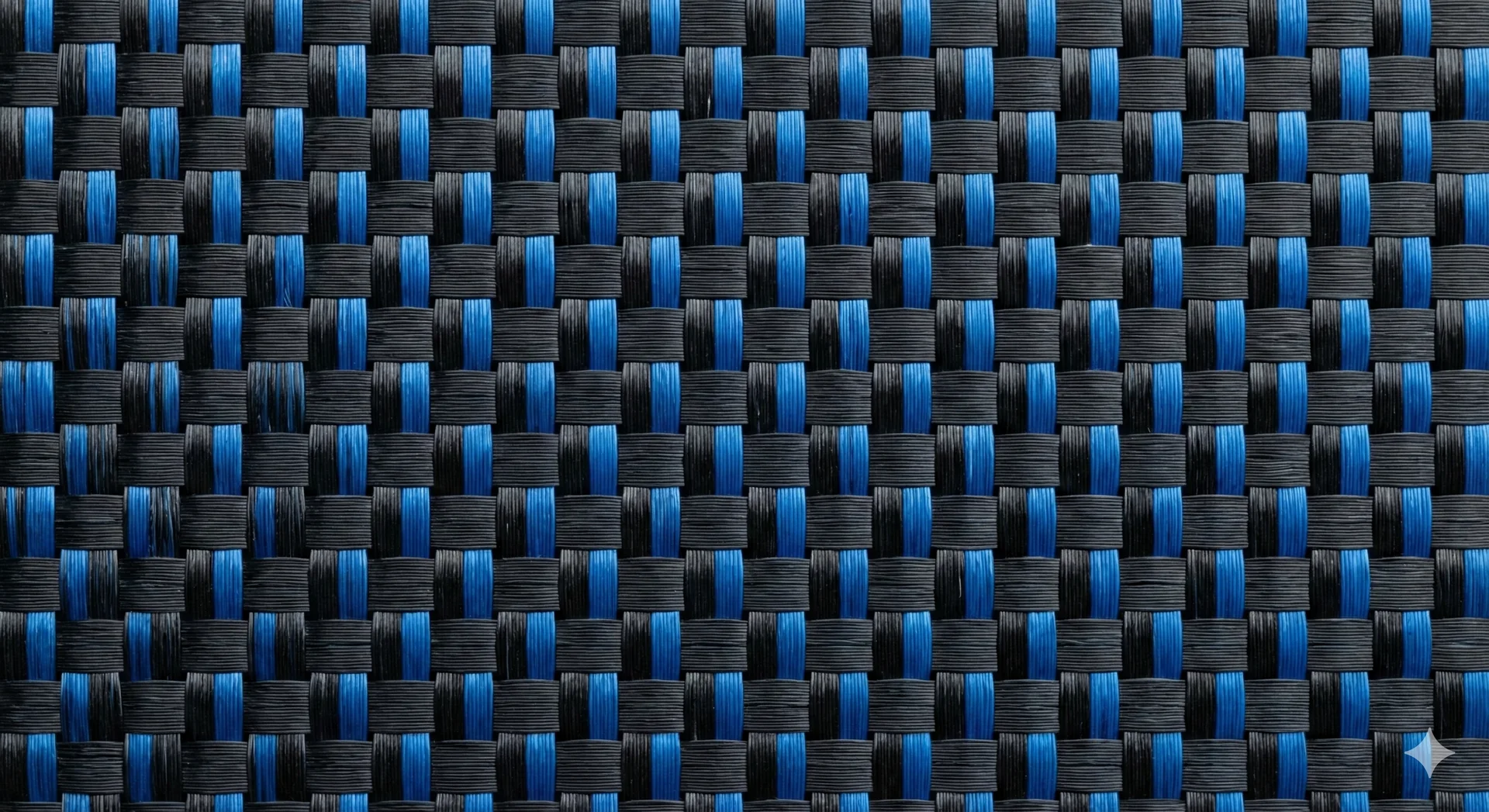
Texture of ALC (Arylate-Carbon)

A hybrid weave of blue Arylate (a liquid crystal polymer similar to Vectran) and Carbon fiber.

ALCArylate CarbonArylate-CarbonAcrylate CarbonAcryl-CarbonALXALXiBlue ALC

Performance Profile

The Golden Standard. ALC is famous because it cancels out the negative traits of pure carbon. The Arylate absorbs bad vibrations and softens the feel.

Composite LayerOuter (Under Face)

Provides immediate speed and a crisp "click" sound. Expands the sweet spot significantly.

Composite LayerInner (Next to Core)

Functions as a "turbo." Allows for wood-like touch on soft shots, but engages the carbon speed on hard drives.

Famous Reference Blades
ViscariaButterfly
Ma Long 5DHS
Outer ALC Weave
Querschnittsansicht
Kiri
KotoDeckfurnier
Crisp Hard

Koto gives a hard, compact first contact. It shortens dwell, sharpens blocks, and makes counter-drives leave the racket quickly.

ALCComposite
Damping

Arylate-Carbon balances carbon speed with polymer damping, giving a large sweet spot and less harsh vibration than pure carbon. Close to the face, it activates early and makes blocks and counters more immediate.

LimbaSperrfurnier
Soft Dwell

Under a harder face, Limba softens the vibration path and keeps the blade from feeling too glassy or abrupt.

KiriKern
Stiff Core

Kiri is a lightweight chassis. Its stiffness-to-weight ratio supports carbon layers and keeps thick composite blades manageable.

Arylate

Fiber
Origin Synthetic
Technical CompositionLiquid Crystal Polymer Fiber

A soft synthetic fiber used without carbon in classic control-composite blades. It is the blue damping half of ALC, but by itself it emphasizes feel rather than speed.

ArylateARY-CPolyarylate

Performance Profile

Damping without the Carbon Kick. Arylate filters harsh vibration and lengthens the contact sensation. It gives a composite blade a larger sweet spot while staying closer to all-wood speed.

Composite LayerVibration Filter

Absorbs high-frequency shock and keeps the handle feedback smooth on blocks and loops.

Famous Reference Blades
KeyshotButterfly
Innerforce Layer ALButterfly
Pure Arylate Control Layer
Querschnittsansicht
Ayous
LimbaDeckfurnier
Soft Dwell

Soft Limba compresses slightly on brush contact, lengthening dwell and making heavy topspin easier to load.

ArylateComposite
Soft Damping

Arylate filters vibration and increases stability without the strong kick of carbon. In an inner position next to the core, it keeps soft shots woodier and engages more on full swings.

AyousSperrfurnier
Elastic

Ayous is a neutral elastic connector. It adds thickness and flex without making the blade harsh.

AyousKern
Elastic

Ayous makes a flexible, lively core. It bends more than Kiri, helping loop power from mid-distance while reducing absolute precision.

Super ALC

Fiber
Origin Synthetic
Technical CompositionHigh-Density Arylate-Carbon

A higher-output version of the Arylate-Carbon concept. The feel stays recognizably ALC, but the weave is tuned for more rebound and a larger high-speed response.

Super ALCSALC

Performance Profile

ALC with More Headroom. Super ALC keeps the familiar damped carbon feel while raising the speed ceiling. It is useful for players who like Viscaria-style control but want extra pressure from mid-distance.

Composite LayerHigh-Output ALC Layer

Adds more rebound than standard ALC while retaining arylate damping on hard contact.

Famous Reference Blades
Viscaria Super ALCButterfly
Fan Zhendong Super ALCButterfly
Outer Super ALC Weave
Querschnittsansicht
Kiri
KotoDeckfurnier
Crisp Hard

Koto gives a hard, compact first contact. It shortens dwell, sharpens blocks, and makes counter-drives leave the racket quickly.

Super ALCComposite
Rebound

Super ALC keeps the damped ALC character but raises rebound and high-speed stability. Close to the face, it activates early and makes blocks and counters more immediate.

LimbaSperrfurnier
Soft Dwell

Under a harder face, Limba softens the vibration path and keeps the blade from feeling too glassy or abrupt.

KiriKern
Stiff Core

Kiri is a lightweight chassis. Its stiffness-to-weight ratio supports carbon layers and keeps thick composite blades manageable.

ZLC (Zylon-Carbon)

Fiber
Origin Synthetic
Technical CompositionZylon™ (PBO) + Carbon Fiber
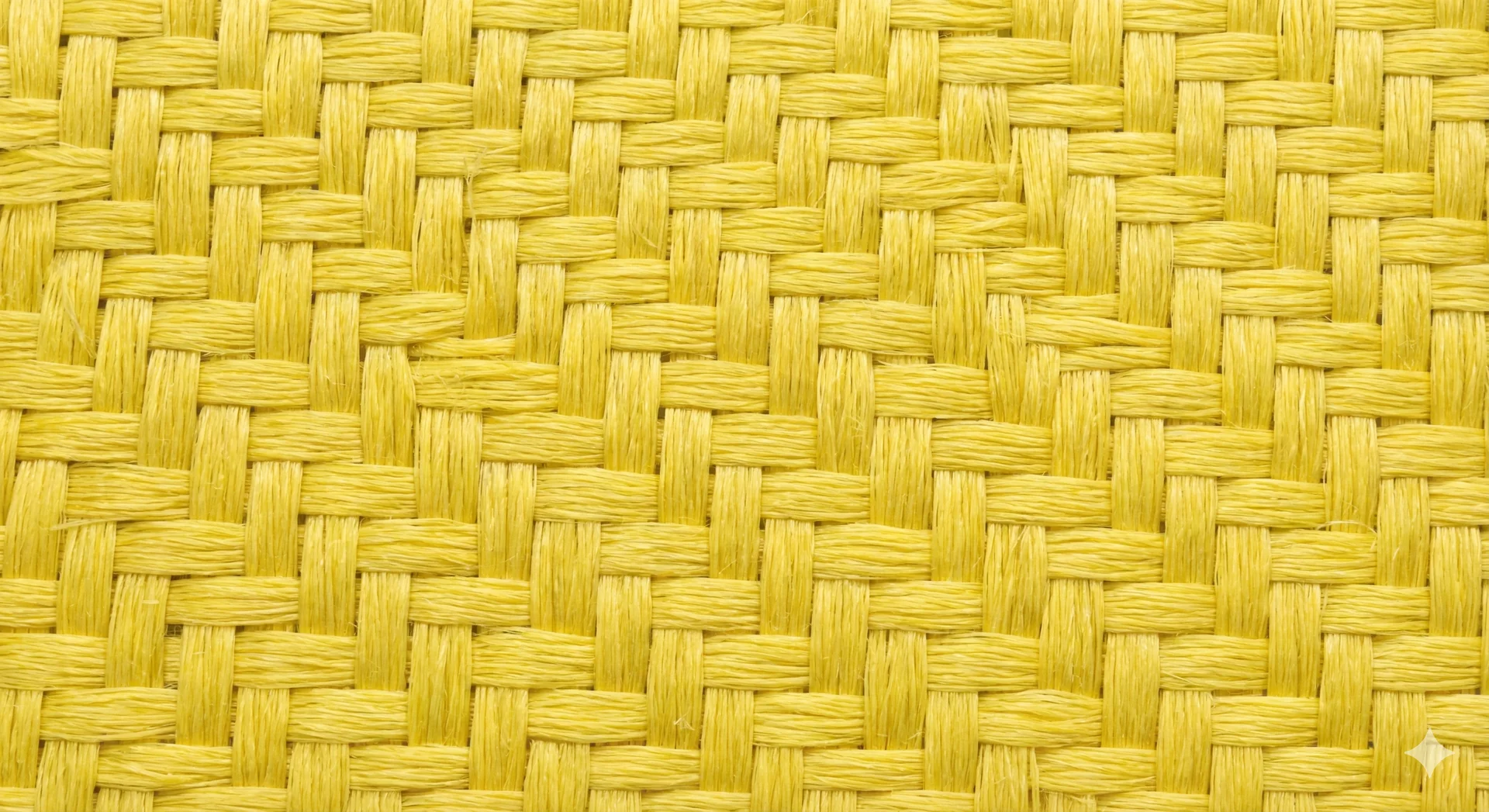
Texture of ZLC (Zylon-Carbon)

A weave of Zylon (a gold-colored polymer stronger than Kevlar) and Carbon fiber.

ZLCZL CarbonZylon CarbonPBO-CPBO CarbonZexion Carbon

Performance Profile

High Repulsion. ZLC is stiffer and faster than ALC. It holds the ball for less time, ejecting it with high velocity.

Composite LayerRecoil Enhancer

Its high stiffness and elastic rebound force the ball off the racket face faster, generating more pace with less blade flex.

Famous Reference Blades
Mizutani Jun ZLCButterfly
Innerforce Layer ZLCButterfly
Inner ZLC Weave
Querschnittsansicht
Ayous
LimbaDeckfurnier
Soft Dwell

Soft Limba compresses slightly on brush contact, lengthening dwell and making heavy topspin easier to load.

ZLCComposite
Repulsion

Zylon-Carbon and similar PBO-carbon weaves add high repulsion and stiffness, producing a faster release than ALC. Close to the face, it activates early and makes blocks and counters more immediate.

LimbaSperrfurnier
Soft Dwell

Under a harder face, Limba softens the vibration path and keeps the blade from feeling too glassy or abrupt.

AyousKern
Elastic

Ayous makes a flexible, lively core. It bends more than Kiri, helping loop power from mid-distance while reducing absolute precision.

Super ZLC (SZLC)

Fiber
Origin Synthetic
Technical CompositionHigh-Density Zylon-Carbon

Butterfly's most explosive Zylon-Carbon variant. It uses the same basic Zylon-plus-carbon idea as ZLC, but with a stronger rebound effect and a very large sweet spot.

Super ZLCSZLC

Performance Profile

Maximum Composite Repulsion. SZLC is fast, crisp, and less forgiving of passive touch than standard ZLC. It rewards clean timing and produces exceptional pace when the player engages the blade fully.

Composite LayerSweet Spot Amplifier

Keeps the rebound powerful across a wide hitting area, especially on counter-loops and full drives.

Famous Reference Blades
Zhang Jike Super ZLCButterfly
Lin Yun-Ju Super ZLCButterfly
Super ZLC Power Weave
Querschnittsansicht
Kiri
KotoDeckfurnier
Crisp Hard

Koto gives a hard, compact first contact. It shortens dwell, sharpens blocks, and makes counter-drives leave the racket quickly.

SZLCComposite
Sweet Spot

Super ZLC increases the Zylon-Carbon rebound effect and sweet spot, giving maximum composite power. Close to the face, it activates early and makes blocks and counters more immediate.

LimbaSperrfurnier
Soft Dwell

Under a harder face, Limba softens the vibration path and keeps the blade from feeling too glassy or abrupt.

KiriKern
Stiff Core

Kiri is a lightweight chassis. Its stiffness-to-weight ratio supports carbon layers and keeps thick composite blades manageable.

T5000 / Pure Carbon

Fiber
Origin Synthetic
Technical CompositionCarbon Fiber (Graphite)

A weave consisting purely of carbon filaments without a damping fiber (like Arylate or Zylon).

T5000TAMCA 5000 CarbonT5000 Carbon

Performance Profile

Velocity over Feel. This material creates a rigid, non-flexible blade. The trajectory is very flat (low throw angle).

Composite LayerStiffener

Strongly reduces blade flex and prioritizes forward speed, usually sacrificing dwell and arc.

Famous Reference Blades
Primorac CarbonButterfly
Hard Carbon Structure
Querschnittsansicht
Kiri
HinokiDeckfurnier
Energy Store

Hinoki feels soft on touch shots but springs back strongly on drives, giving a distinctive catapult from its straight grain.

T5000Composite
Velocity

T5000 and Tamca-style pure carbon prioritize rigidity, speed, and a flat direct rebound over dwell. In an inner position next to the core, it keeps soft shots woodier and engages more on full swings.

KiriKern
Stiff Core

Kiri is a lightweight chassis. Its stiffness-to-weight ratio supports carbon layers and keeps thick composite blades manageable.

Kevlar / Aramid

Fiber
Origin Synthetic
Technical CompositionAramid Fiber
Texture of Kevlar / Aramid

Tough, heat-resistant synthetic fibers. Known for their use in bulletproof vests.

KevlarKevlar™Aratox

Performance Profile

Vibration Absorption. Kevlar is rarely used for speed; it is used to kill vibration. It creates a 'dead' or 'woody' feel in a composite blade.

Composite LayerShock Absorber

Filters out high-frequency vibrations on impact, making the blade feel softer and more controlled than it actually is.

Famous Reference Blades
PowerplayDonic
Vibration Dampening Layer
Querschnittsansicht
Kiri
LimbaDeckfurnier
Soft Dwell

Soft Limba compresses slightly on brush contact, lengthening dwell and making heavy topspin easier to load.

KevlarComposite
Absorption

Kevlar and aramid fibers absorb shock and reduce high-frequency vibration more than they add speed. In an inner position next to the core, it keeps soft shots woodier and engages more on full swings.

AyousSperrfurnier
Elastic

Ayous is a neutral elastic connector. It adds thickness and flex without making the blade harsh.

KiriKern
Stiff Core

Kiri is a lightweight chassis. Its stiffness-to-weight ratio supports carbon layers and keeps thick composite blades manageable.

Aramid Carbon

Fiber
Origin Synthetic
Technical CompositionAramid Fiber + Carbon Fiber

A hybrid composite that combines aramid damping with carbon stiffness. Many brands use this family under Kevlar Carbon, KLC, KL-c, or aramid-carbon naming.

Aramid CarbonAramid-CarbonKevlar CarbonKLCKL-cKVL CarbonHyramid Carbon

Performance Profile

Power with a Softer Hand. The carbon provides speed and stability, while the aramid fibers round off the harshest vibration. It often feels less metallic than pure carbon but more direct than pure Kevlar.

Composite LayerDamped Carbon Layer

Balances carbon speed with aramid shock absorption, creating a controlled offensive composite.

Famous Reference Blades
Schlager Aramid Carbon OFFButterfly
Baum EspritDonic
Aramid-Carbon Hybrid
Querschnittsansicht
Kiri
KotoDeckfurnier
Crisp Hard

Koto gives a hard, compact first contact. It shortens dwell, sharpens blocks, and makes counter-drives leave the racket quickly.

Aramid CarbonComposite
Damped Power

Aramid-Carbon, Kevlar-Carbon, KLC, and KL-c combine carbon stiffness with aramid damping for controlled offensive speed. In an inner position next to the core, it keeps soft shots woodier and engages more on full swings.

AyousSperrfurnier
Elastic

Ayous is a neutral elastic connector. It adds thickness and flex without making the blade harsh.

KiriKern
Stiff Core

Kiri is a lightweight chassis. Its stiffness-to-weight ratio supports carbon layers and keeps thick composite blades manageable.

Glass Fiber

Fiber
Origin Synthetic
Technical CompositionFiberglass / Glass Fibre

A flexible composite reinforcement used to add stability without the hard rebound of carbon. It appears in the database under Glass Fiber, Glass fibre, Fiberglass, and G-Carbon combinations.

Glass FiberGlass fibreFiberglassFibreglassG-CarbonCarbon Glass fibre

Performance Profile

Elastic Reinforcement. Glass fiber enlarges the sweet spot and adds control, but keeps more flex than carbon. It is useful when a blade needs support without becoming too fast or numb.

Composite LayerFlexible Stabilizer

Supports the wood plies while preserving a softer, more elastic contact than carbon.

Famous Reference Blades
Maze PassionButterfly
Kreanga AerosButterfly
Glass Fiber Control Composite
Querschnittsansicht
Kiri
LimbaDeckfurnier
Soft Dwell

Soft Limba compresses slightly on brush contact, lengthening dwell and making heavy topspin easier to load.

Glass FiberComposite
Elastic

Glass fiber supports the wood plies and improves consistency while staying more flexible and control-oriented than carbon. In an inner position next to the core, it keeps soft shots woodier and engages more on full swings.

AyousSperrfurnier
Elastic

Ayous is a neutral elastic connector. It adds thickness and flex without making the blade harsh.

KiriKern
Stiff Core

Kiri is a lightweight chassis. Its stiffness-to-weight ratio supports carbon layers and keeps thick composite blades manageable.

ZLF (Zylon Fiber)

Fiber
Origin Synthetic
Technical CompositionZylon™ (PBO) without Carbon

A Butterfly-exclusive weave of pure Zylon (PBO) fiber without carbon strands. Unlike ZLC, there is no carbon fiber in the weave — only the gold PBO polymer.

ZLFZL-FiberZylon

Performance Profile

Controlled Speed. ZLF delivers less raw speed than ZLC but provides a softer, more controllable catapult effect. The absence of carbon strands lowers the stiffness, retaining more dwell time.

Composite LayerControlled Booster

Adds speed and throws angle without the harshness of a full carbon layer. Ideal for players transitioning from wood to composite.

Famous Reference Blades
Fukuhara Ai Pro ZLFButterfly
ZLF Inner Composite
Querschnittsansicht
Ayous
KotoDeckfurnier
Crisp Hard

Koto gives a hard, compact first contact. It shortens dwell, sharpens blocks, and makes counter-drives leave the racket quickly.

ZLFComposite
Controlled

Zylon fiber without carbon gives a controlled catapult and more dwell than Zylon-Carbon. In an inner position next to the core, it keeps soft shots woodier and engages more on full swings.

AyousSperrfurnier
Elastic

Ayous is a neutral elastic connector. It adds thickness and flex without making the blade harsh.

AyousKern
Elastic

Ayous makes a flexible, lively core. It bends more than Kiri, helping loop power from mid-distance while reducing absolute precision.

CNF (Cellulose Nanofiber)

Fiber
Origin Bio-based composite
Technical CompositionCellulose Nanofiber

A thin nanocellulose reinforcement used to increase stability while keeping a more wood-like impact than carbon. It is a modern answer to players who want composite consistency without a sharp carbon feel.

CNFCFNWCFNW Carbon

Performance Profile

Natural-Fiber Precision. CNF improves rebound consistency and reduces unwanted vibration, but it does not add the same explosive kick as ALC or ZLC. The result is controlled speed with clean feedback.

Composite LayerWood-Feel Stabilizer

Adds structural consistency while preserving more natural vibration than synthetic carbon weaves.

Famous Reference Blades
Revoldia CNFButterfly
Fan Zhendong CNFButterfly
CNF Control Composite
Querschnittsansicht
Kiri
KotoDeckfurnier
Crisp Hard

Koto gives a hard, compact first contact. It shortens dwell, sharpens blocks, and makes counter-drives leave the racket quickly.

CNFComposite
Wood-Like

Cellulose nanofiber reinforces the blade while keeping a more natural wood vibration than carbon. In an inner position next to the core, it keeps soft shots woodier and engages more on full swings.

AyousSperrfurnier
Elastic

Ayous is a neutral elastic connector. It adds thickness and flex without making the blade harsh.

KiriKern
Stiff Core

Kiri is a lightweight chassis. Its stiffness-to-weight ratio supports carbon layers and keeps thick composite blades manageable.

Basalt Fiber

Fiber
Origin Mineral fiber
Technical CompositionBasalt Fiber

A mineral-based reinforcement made from basalt rock. In blades it behaves as a control-oriented composite layer: more stable than plain wood, but generally less sharp than carbon.

BasaltBasalt FiberBasalt Inner

Performance Profile

Muted Stability. Basalt fiber adds a solid, composed feeling and keeps vibration tidy. It suits players who want a composite blade for control and blocking rather than raw top-end speed.

Composite LayerMineral Stabilizer

Reinforces the blade face while keeping the rebound lower and more controlled than typical carbon.

Famous Reference Blades
TP_LIGNA Basalt InnerAndro
Basaltec OuterNittaku
Basalt Control Layer
Querschnittsansicht
Kiri
LimbaDeckfurnier
Soft Dwell

Soft Limba compresses slightly on brush contact, lengthening dwell and making heavy topspin easier to load.

BasaltComposite
Muted

Basalt fiber is a mineral reinforcement that adds stability and a muted, controlled feel rather than high carbon speed. In an inner position next to the core, it keeps soft shots woodier and engages more on full swings.

AyousSperrfurnier
Elastic

Ayous is a neutral elastic connector. It adds thickness and flex without making the blade harsh.

KiriKern
Stiff Core

Kiri is a lightweight chassis. Its stiffness-to-weight ratio supports carbon layers and keeps thick composite blades manageable.

Dyneema Carbon

Fiber
Origin Synthetic
Technical CompositionUHMWPE Fiber + Carbon Fiber

A hybrid of Dyneema-style ultra-high-molecular-weight polyethylene fiber and carbon. It is designed to add carbon speed while keeping a softer, more elastic impact than a pure carbon layer.

Dyneema CarbonInner Dyneema Carbon

Performance Profile

Elastic Carbon Support. Dyneema Carbon feels stable on hard shots but less brittle than high-modulus carbon. It is a good fit for inner-composite blades that need controlled acceleration.

Composite LayerElastic Speed Layer

Combines carbon reinforcement with a softer synthetic fiber that smooths the impact response.

Famous Reference Blades
Fortino ProTibhar
Fortino ForceTibhar
Inner Dyneema Carbon
Querschnittsansicht
Kiri
LimbaDeckfurnier
Soft Dwell

Soft Limba compresses slightly on brush contact, lengthening dwell and making heavy topspin easier to load.

AyousSperrfurnier
Elastic

Ayous is a neutral elastic connector. It adds thickness and flex without making the blade harsh.

Dyneema CarbonComposite
Elastic Speed

Dyneema-style UHMWPE plus carbon gives elastic support and carbon stability with a less brittle impact than pure carbon. In an inner position next to the core, it keeps soft shots woodier and engages more on full swings.

KiriKern
Stiff Core

Kiri is a lightweight chassis. Its stiffness-to-weight ratio supports carbon layers and keeps thick composite blades manageable.

Soft / Fleece Carbon

Fiber
Origin Synthetic

A family of lighter or softer carbon reinforcements. These labels usually mean the blade designer wants sweet-spot stability without the hard plate feel of thick, high-output carbon.

Soft CarbonFleece CarbonCarbon FleeceLD CarbonThin CarbonCFL CarbonTouch Carbon

Performance Profile

Carbon Support, Softer Hand. Soft and fleece carbon expand the hitting window and clean up off-center contact, but they preserve more dwell and wood feel than rigid carbon sheets.

Composite LayerLight Stabilizer

Adds carbon consistency while keeping the rebound less abrupt than heavy pure carbon.

Composite LayerInner Support

When placed near the core, it behaves mostly as vibration control and a late power reserve.

Famous Reference Blades
Ma Lin Soft CarbonYasaka
Koji Matsushita SpecialVictas
Soft Carbon Control Build
Querschnittsansicht
Kiri
LimbaDeckfurnier
Soft Dwell

Soft Limba compresses slightly on brush contact, lengthening dwell and making heavy topspin easier to load.

Soft CarbonComposite
Soft Speed

Soft, fleece, LD, and thin carbon labels usually mean a lighter reinforcement that widens the sweet spot without the hard plate feel of thick carbon. In an inner position next to the core, it keeps soft shots woodier and engages more on full swings.

AyousSperrfurnier
Elastic

Ayous is a neutral elastic connector. It adds thickness and flex without making the blade harsh.

KiriKern
Stiff Core

Kiri is a lightweight chassis. Its stiffness-to-weight ratio supports carbon layers and keeps thick composite blades manageable.

ULC / Light Carbon

Fiber
Origin Synthetic

A lighter carbon-family reinforcement used when the blade needs stability and speed support without the full rigidity of thick carbon layers.

ULCTamca ULC

Performance Profile

Light Carbon Kick. ULC behaves like a more restrained carbon layer: clearer and faster than plain wood, but less severe than T5000-style pure carbon.

Composite LayerLow-Mass Reinforcement

Raises stability and speed while keeping the blade weight manageable.

Composite LayerControlled Sweet Spot

In inner placement it supports consistency without making touch shots too bouncy.

Famous Reference Blades
ULC catalog bladesButterfly
Light carbon buildsMultiple
Light Carbon Reinforcement
Querschnittsansicht
Kiri
KotoDeckfurnier
Crisp Hard

Koto gives a hard, compact first contact. It shortens dwell, sharpens blocks, and makes counter-drives leave the racket quickly.

ULCComposite
Light Carbon

ULC-style light carbon adds stability and speed with less mass and a softer hit than heavy pure carbon. In an inner position next to the core, it keeps soft shots woodier and engages more on full swings.

AyousSperrfurnier
Elastic

Ayous is a neutral elastic connector. It adds thickness and flex without making the blade harsh.

KiriKern
Stiff Core

Kiri is a lightweight chassis. Its stiffness-to-weight ratio supports carbon layers and keeps thick composite blades manageable.

CAF / CA Fiber

Fiber
Origin Bio-based composite
Technical CompositionWood-derived control fiber

A control-oriented fiber family used to add stability and vibration filtering while keeping a more wood-like impact than carbon. It sits conceptually near CNF, but catalog entries should not be merged blindly because brand implementations differ.

CAFCA FiberControl Assist Fiber

Performance Profile

Damping First. CAF-style layers are for consistency and feel more than raw speed. They widen the usable contact zone without the strong catapult of ALC or ZLC.

Composite LayerControl Fiber

Filters vibration and stabilizes the blade while preserving a soft first contact.

Composite LayerInner Feel Layer

Works well near the core when the goal is a wood-forward short game with extra consistency.

Famous Reference Blades
CAF catalog bladesButterfly
Control fiber buildsMultiple
CAF Control Composite
Querschnittsansicht
Kiri
LimbaDeckfurnier
Soft Dwell

Soft Limba compresses slightly on brush contact, lengthening dwell and making heavy topspin easier to load.

CAFComposite
Controlled Fiber

CAF and CA Fiber-style wood-derived control fibers add stability and damping with less speed jump than carbon. In an inner position next to the core, it keeps soft shots woodier and engages more on full swings.

AyousSperrfurnier
Elastic

Ayous is a neutral elastic connector. It adds thickness and flex without making the blade harsh.

KiriKern
Stiff Core

Kiri is a lightweight chassis. Its stiffness-to-weight ratio supports carbon layers and keeps thick composite blades manageable.

Proprietary Hybrid Fibers

Fiber
Origin Synthetic
Technical CompositionBrand-specific synthetic fiber blends

A catch-all for proprietary blade fibers that appear in the database but do not have enough public, standardized material data to deserve a separate physics stereotype. The resolver still maps known labels to the closest behavior family.

ALC+ZLCAZXCertranCBFDotec FiberJPCKVC3PKCPLCTXL FiberTexaliumTitaniumVerdiX FiberVoltema-CarbonZephyliumZexionZyreemaZAC CompositeZCI

Performance Profile

Read the Construction. These fibers usually sit between pure carbon and soft damping fibers. Near the face they engage early and sharpen response; near the core they preserve more wood feel and act as a late stability layer.

Composite LayerBrand Reinforcement

Adds stability and sweet spot. The exact balance of speed and damping depends on the brand fiber.

Composite LayerHybrid Tuning Layer

Inner placement softens the effect; outer placement makes the proprietary fiber more immediate and direct.

Famous Reference Blades
Ice Cream AZXXiom
Synteliac ZCOAndro
Brand Hybrid Composite
Querschnittsansicht
Kiri
KotoDeckfurnier
Crisp Hard

Koto gives a hard, compact first contact. It shortens dwell, sharpens blocks, and makes counter-drives leave the racket quickly.

Proprietary FiberComposite
Brand Fiber

This brand-specific fiber should be read by construction: it is a stabilizing reinforcement, usually softer than pure carbon but more consistent than plain wood. In an inner position next to the core, it keeps soft shots woodier and engages more on full swings.

AyousSperrfurnier
Elastic

Ayous is a neutral elastic connector. It adds thickness and flex without making the blade harsh.

KiriKern
Stiff Core

Kiri is a lightweight chassis. Its stiffness-to-weight ratio supports carbon layers and keeps thick composite blades manageable.